
Image by rawpixel.com on Freepik
In today's world, technology has made it possible to automate almost everything in our lives - from the way we work to the way we live. One of the most exciting applications of technology in the home is the concept of a smart home. A smart home is a house that is equipped with a variety of devices and appliances that can be controlled remotely or automatically.
Setting up a smart home may seem like a daunting task, but it's easier than you might think. With the right equipment and a little bit of know-how, you can transform your home into a fully automated, intelligent space that responds to your every need. Here are the five steps to set up a smart home.
Learn how to set up a smart home
Step 1: Choose Your Smart Home Hub
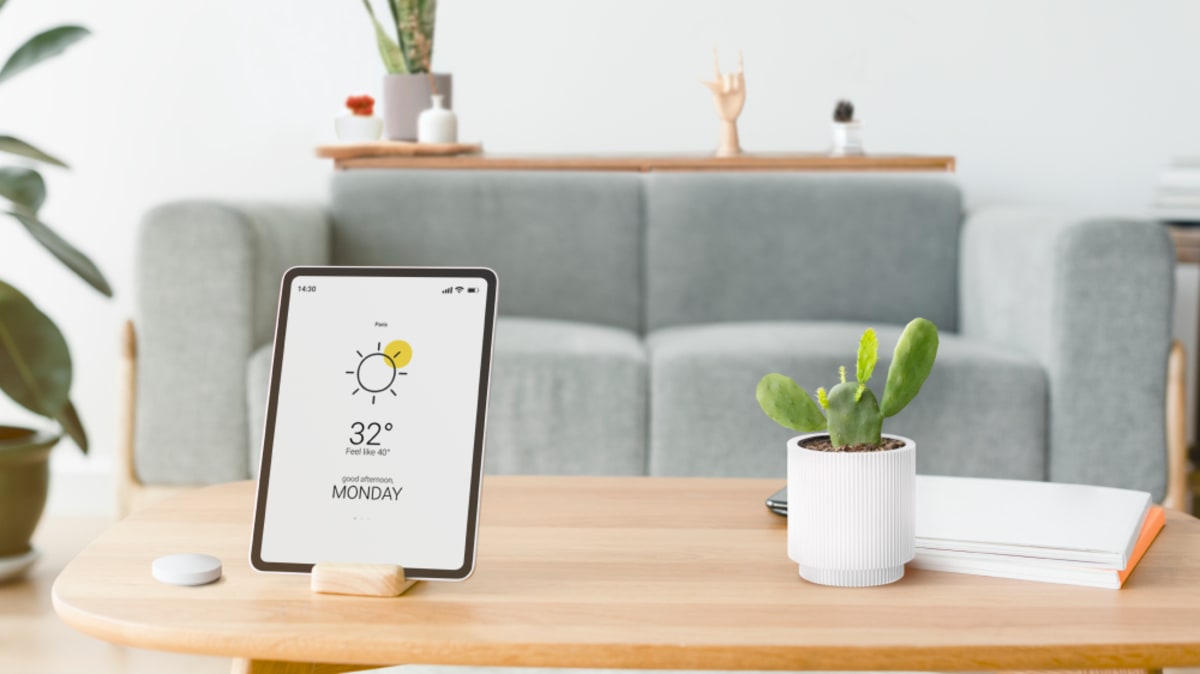
The first step in setting up a smart home is choosing a smart home hub. A smart home hub is a central control system that connects all of your smart home devices and allows you to control them from one place. There are many different smart home hubs on the market, so it's important to choose one that is compatible with the devices you plan to use.
The most popular smart home hubs are Amazon Echo and Google Home. Both of these devices are equipped with voice assistants that allow you to control your smart home devices using voice commands. However, if you prefer a more traditional approach, there are also hubs like Samsung SmartThings and Wink Hub that can be controlled through a smartphone app.
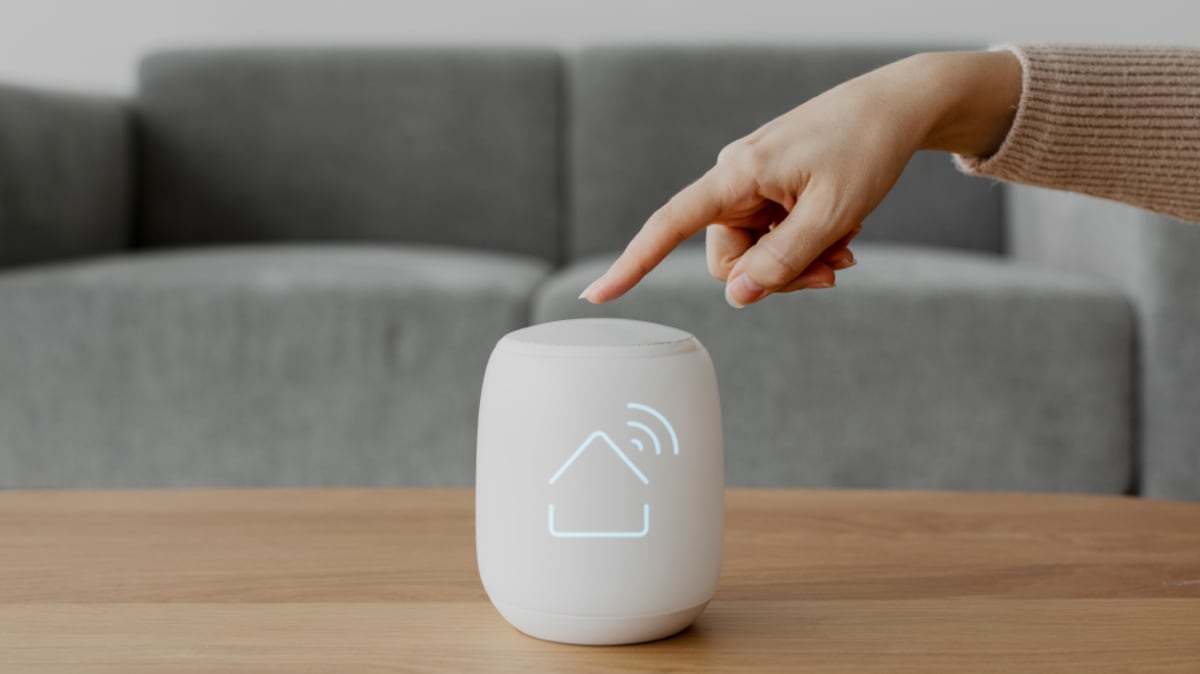
Image by rawpixel.com on Freepik
Step 2: Select Your Smart Home Devices
The first step in setting up a smart home is choosing a smart home hub. A smart home hub is a central control system that connects all of your smart home devices and allows you to control them from one place. There are many different smart home hubs on the market, so it's important to choose one that is compatible with the devices you plan to use.
The most popular smart home hubs are Amazon Echo and Google Home. Both of these devices are equipped with voice assistants that allow you to control your smart home devices using voice commands. However, if you prefer a more traditional approach, there are also hubs like Samsung SmartThings and Wink Hub that can be controlled through a smartphone app.
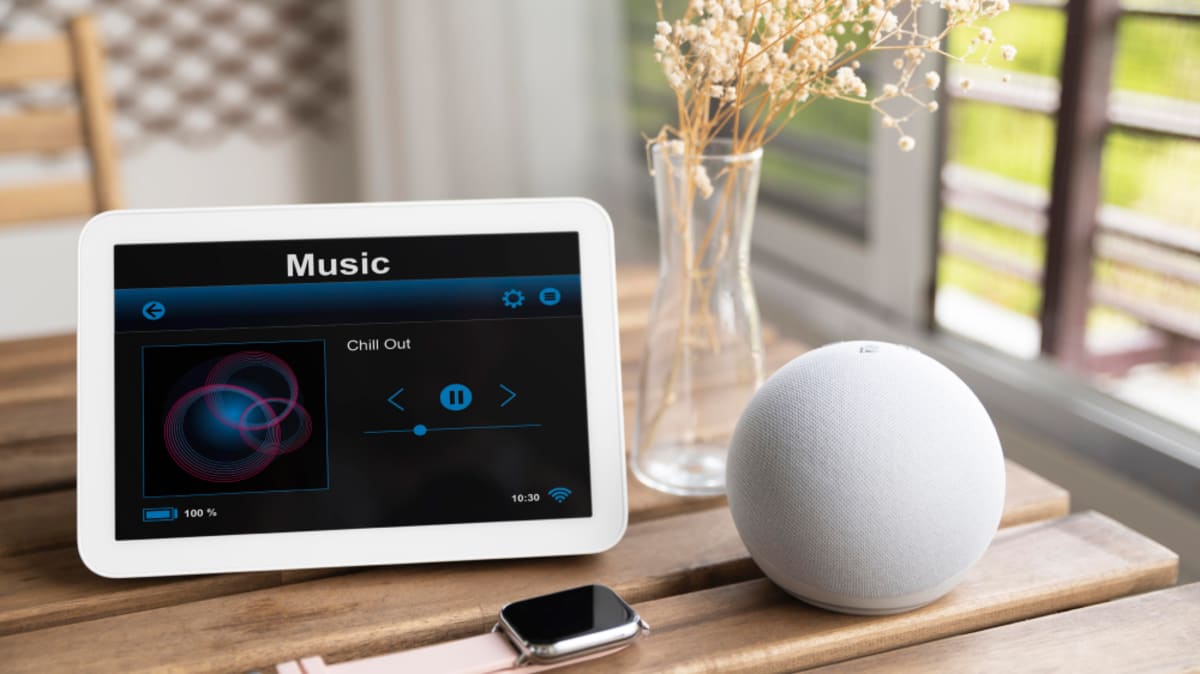
Image by rawpixel.com on Freepik
Step 3: Connect Your Smart Home Devices
After acquiring all the necessary smart home devices, the next step is to connect them to your smart home hub. This process may entail installing apps, creating accounts, and linking the devices to your home Wi-Fi network.
Be sure to carefully follow the instructions provided by the device manufacturer. Some devices may require additional hardware or software to operate efficiently. It's also crucial to ensure that your home Wi-Fi network is strong and reliable to avoid any connectivity problems.
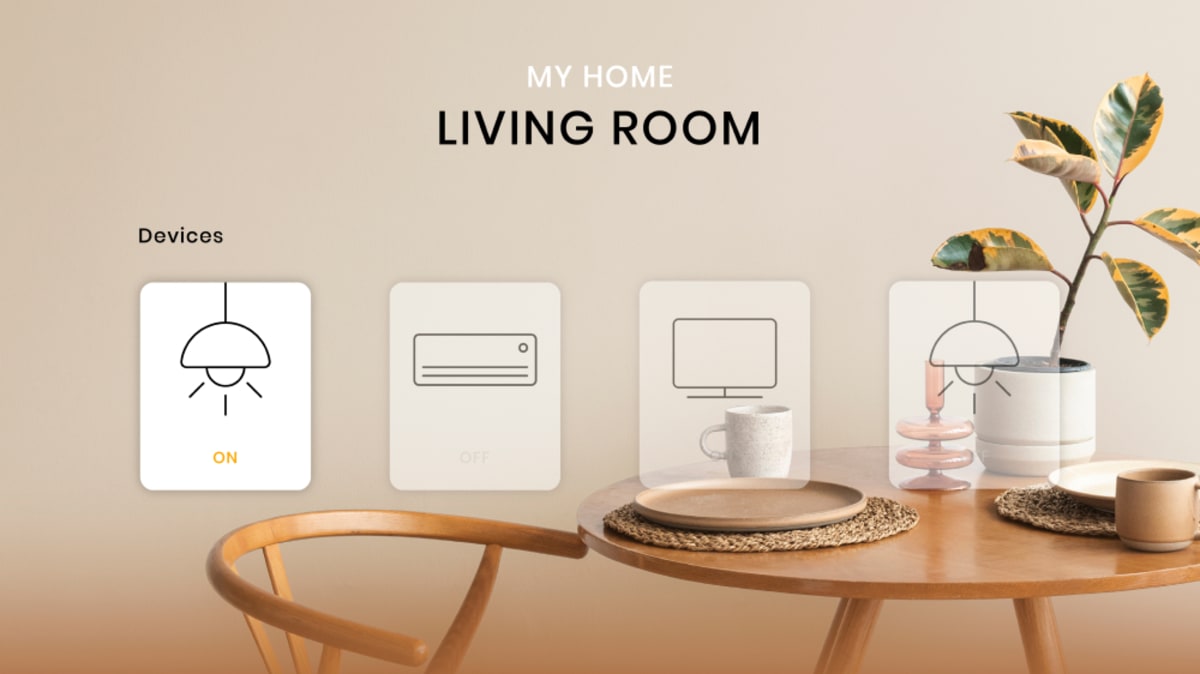
Image by rawpixel.com on Freepik
Step 4: Set Up Automation and Voice Control
Once your smart home devices are connected to your smart home hub, you can start setting up automation and voice control. This means that you can create custom schedules and routines for your devices, and control them using voice commands with a smart speaker like Amazon Alexa or Google Home.
For example, you can set your smart lights to turn on automatically when you enter a room or set your smart thermostat to adjust the temperature when you leave the house. You can also create custom routines to help you start your day or wind down at night.

Image by rawpixel.com on Freepik
Step 5: Monitor Your Smart Home
It's important to monitor your smart home regularly to ensure that everything is working properly. Make sure to check your devices for software updates and security patches, and be aware of any unusual activity or behavior.
Regularly monitoring your smart home can also help you identify any issues or inefficiencies in your system. For example, if you notice that your energy bills are higher than usual, you may need to adjust your smart thermostat settings or investigate a potential issue with your smart lights.
In conclusion, setting up a smart home may seem like a complex task, but with the right equipment and a little bit of know-how, it's a project that can be completed in a few simple steps. By following the above guidelines, you can create a fully functional and intelligent smart home that can make your life easier and more convenient, while also saving you money on energy bills and providing added security for your home.
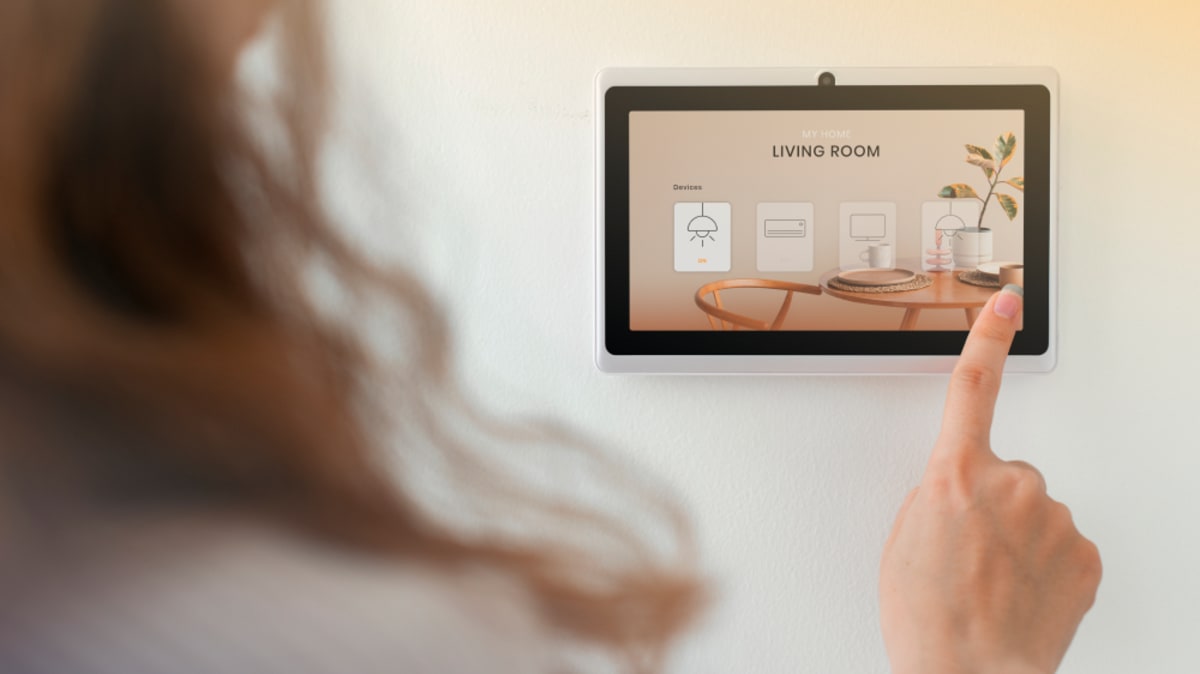
Image by rawpixel.com on Freepik
About the author

John Doe · Editorial Director
John is Editorial Director at Foundry. A Journalism graduate from the London College of Printing, she's worked in tech media for more than 17 years, managing our EMEA and LatAm editorial teams and leading on content strategy through Foundry's transition from print, to digital, to online - and beyond.